Selling A Choa Chu Kang 4-Room At $560,888 To Buy A $1.368M Condo In District 23 — The Numbers Leave A $191,404 Gap
Published 12 Oct 2026
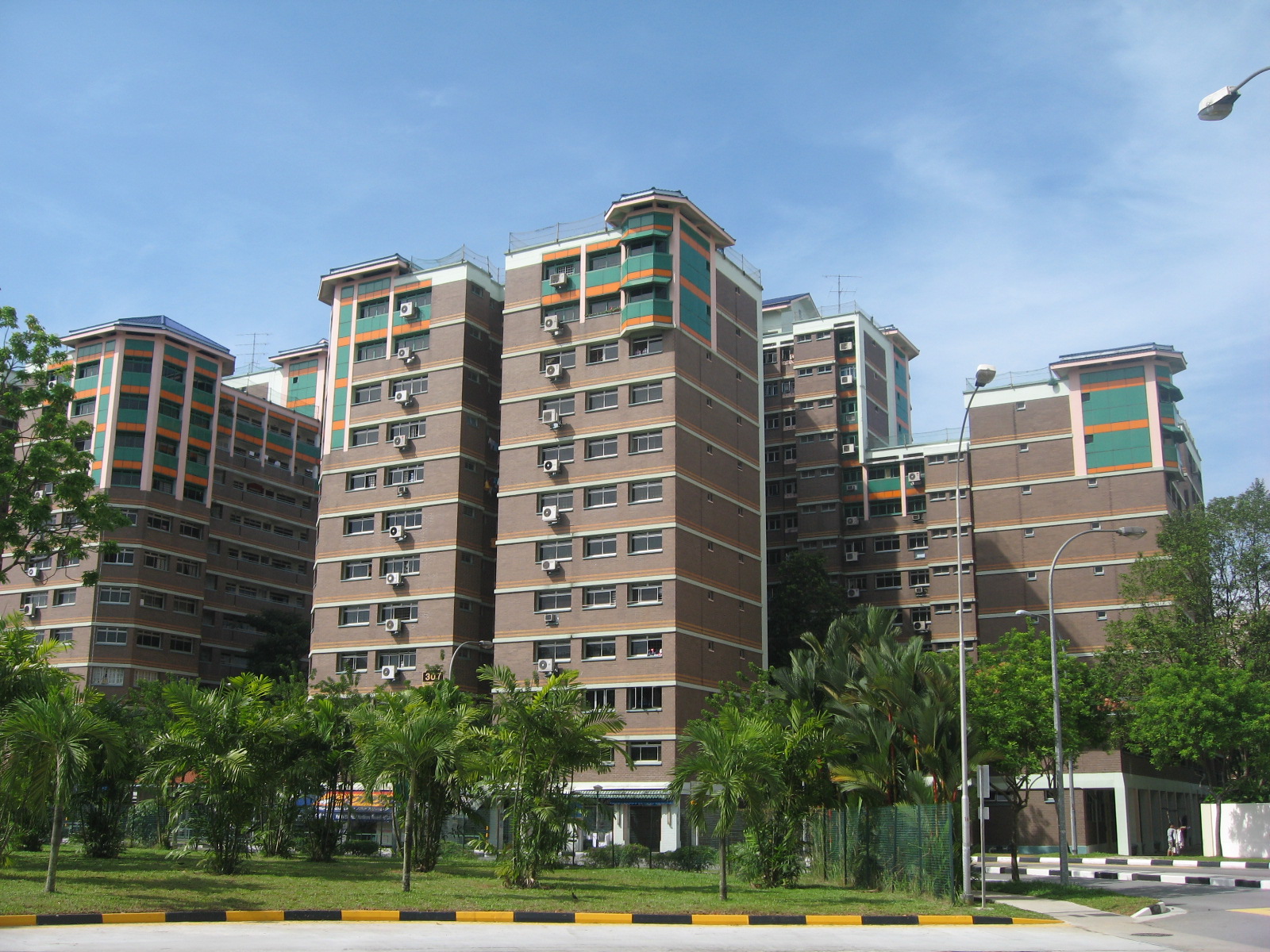
This is an illustrative example on the quarter's median prices and a stated household, not a real family and not advice on whether to sell, buy, keep or rent out. It lays out the figures the position engine computes for each side of the question; the decision is the reader's.
The upgrade question usually gets asked as one number: what is my flat worth now. The fuller picture has three sides, and they do not line up neatly. What the sale nets is one figure. What the next home asks upfront is another. What the flat would earn if it stayed in the family is a third.
According to data.gov.sg HDB resale records and URA Data Service caveats, run through our position engine at 2Q2026 medians, a 4-room in Choa Chu Kang has a median of $560,888 from 135 sales. A 60 to 99 sqm private unit in District 23 has a median of $1,368,000 from 35 sales, at a median 926 sqft. The illustrative household bought in 2Q2020 at that quarter's median of $360,000, with a 75% HDB loan, from 69 sales recorded then. Six years on, those are the two medians that frame the question.
The sale side is the cleanest part of the arithmetic, and it nets about $325,194
Start with what leaves the flat. The median for a Choa Chu Kang 4-room has moved 55.8% since 2Q2020, from $360,000 to $560,888. That is a movement in medians, not a valuation of any one flat. The 135 sales behind this quarter's figure cover all 4-room blocks in the town, of every age and floor. A specific unit can sit well above or below it.
Against the sale price sit three items. The loan balance after six years is about $220,197, on the $270,000 originally drawn. Selling costs, agent and legal, come to about $15,497. Seller's stamp duty is zero, since the holding period is well past it. What remains is about $325,194 in net proceeds.
One thing the table below does not settle is timing. Medians are quarterly, and 2Q2026's number is what was recorded in that quarter, not what is on offer today. Here is the flat side in full.
| Item | Amount |
|---|---|
| Median price when bought (Q2 2020, 69 sales) | S$360,000 |
| Median price now (Q2 2026, 135 sales) | S$560,888 |
| Change | S$200,888 |
| HDB loan taken (75%) | S$270,000 |
| Loan balance after 6 years | S$220,197 |
| Selling costs (agent, legal) | S$15,497 |
| Seller's stamp duty | S$0 |
| Net proceeds | S$325,194 |
The condo asks $516,598 before the loan, which is more than the sale brings in
Now the other side. At $1,368,000, buyer's stamp duty is $39,320. The maximum loan is $890,722 at 75% LTV, and in this case the mortgage servicing ratio is what binds, not the income test alone. That leaves $68,400 as minimum cash and $408,878 in CPF or cash.
Add those together and the engine puts $516,598 as the amount needed before the loan draws down. Set the $325,194 from the flat against it and the table shows a shortfall of $191,404 to find elsewhere. That figure assumes the flat is sold first, so ABSD is zero.
Sequence changes the arithmetic sharply. Buying the condo before the flat is sold would bring ABSD at 20%, or $273,600, under the rules as recorded. Remissions are not modelled here, and the engine makes no assumption about whether one would apply. Our rules data was last checked against IRAS and MAS publications in September 2026. The condo side looks like this.
| Item | Amount |
|---|---|
| Median price (35 sales, median 926 sqft) | S$1,368,000 |
| Buyer's stamp duty | S$39,320 |
| ABSD if bought after selling the flat | S$0 |
| ABSD if bought before selling (20%) | S$273,600 |
| Maximum loan (75%) | S$890,722 |
| Minimum cash | S$68,400 |
| CPF or cash | S$408,878 |
| Needed before the loan | S$516,598 |
| Net proceeds from the flat | S$325,194 |
| Surplus (or shortfall, shown negative) | S$-191,404 |
The monthly instalment moves from about $1,225 to $4,014, a difference of $2,790
Upfront cash is one thing. The monthly figure is the one that runs for years. On the flat, the instalment sits at about $1,225 at the HDB rate. On the condo, at 3% over 27 years, it is $4,014. The gap the engine computes is $2,790 a month.
The second row of the table below is a test rate, not a prediction of where rates go. At 4%, the condo instalment becomes $4,500 and the flat instalment $1,380. It is there to show how the same loan behaves if the rate is higher, nothing more.
There is also the holding cost to note. Over five years, the engine puts the total cost of holding the condo at $226,619, of which $125,301 is interest. For that cost to be covered by price movement alone, the price would need to rise 16.9%. That is a break-even figure computed from the costs, not a claim about what prices do.
| Item | Keep the flat | Buy the condo |
|---|---|---|
| Instalment at the loan rate | S$1,225 | S$4,014 |
| Instalment at the stress rate | S$1,380 | S$4,500 |
Keeping the flat and renting it out produces a net carry of $26,975 a year
The third side is the one that gets skipped. The household could keep the flat and rent it out. From 13 recorded rental approvals in data.gov.sg, the estimated monthly rent is $3,200. That works out to a gross yield of 6.8% on the current median.
Thirteen approvals is a thin base, and worth saying plainly. The estimate moves with unit size, floor and lease, and a sample that small will not capture all of it. Take the rent figure as indicative rather than firm.
From there the engine deducts. Property tax at the non-owner-occupied rate is $1,613 a year. Maintenance is $900. After vacancy, tax and maintenance, net rent is $32,700 a year. Interest on the remaining loan takes $5,725, leaving a net carry of $26,975 a year, or 4.8%. The rental side sits below.
| Item | Amount |
|---|---|
| Estimated monthly rent | S$3,200 |
| Property tax a year (non-owner-occupied) | S$1,613 |
| Maintenance a year | S$900 |
| Net rent a year after vacancy, tax and maintenance | S$32,700 |
| Interest a year on the remaining loan | S$5,725 |
| Net carry a year | S$26,975 |
What the three sides share is a set of assumptions, and those matter as much as the medians
Every figure here rests on stated inputs. The household is assumed to have a monthly income of $15,000 and an age of 38, which sets the loan tenure at 27 years. The original flat loan runs at 2.6% over 25 years at 75% LTV. Change any of those and the instalment and loan ceiling change with them.
The cost assumptions are equally explicit. The seller pays 2% commission plus $3,000 in legal fees, with GST. Mortgage interest comes from a standard amortisation schedule at the stated rate. Property tax uses an annual value set at 85% of market rent, and maintenance is at the configured norm.
None of this is a valuation. Every price here is a median of recorded transactions in one quarter, in one town or one district, for one size band. The engine reads those records and applies the rules as versioned. What it cannot read is the condition of any particular flat, or the stack and facing of any particular condo unit.
Several things sit outside what these tables can settle. The 35 private sales behind the District 23 median are a small count for a quarter. A shift in the mix of projects or unit sizes would move that median on its own. The same holds for the 13 rental approvals. In the next quarter's data, the figures to watch are straightforward: whether the Choa Chu Kang 4-room median holds above $560,888, whether District 23 transaction counts thicken, and whether the rental sample grows past 13 rows.
We keep coming back to the same point with pieces like this one. A single median, quoted on its own, answers almost nothing. It is the sale proceeds, the upfront requirement, the monthly instalment and the rental carry read together that show the shape of the position. The engine lays them out side by side. What weight to put on each one is not something the data decides.
Method: the flat is a 4-room in the town, bought at the median of Q2 2020 with a 75% HDB loan at 2.6% over 25 years, of which 6 years have been paid. Its value today is Q2 2026's median. Selling costs, seller's stamp duty, equity, the rent estimate and the carry are the position engine's under the rules recorded as in force. The condo is a 60 to 99 sqm resale in the nearest district with enough sales within 2.5 km of the town. It is taken at Q2 2026's median. The buyer is a citizen aged 38 with a household income of S$15,000 a month and no other debt. sale at today's indicative mid value after 5 years. Seller pays 2% commission and S$3,000 legal fees, plus 9% GST. Mortgage interest from a standard amortisation schedule at the given rate. An executive condominium within its five-year minimum occupation period, so the 30% mortgage servicing ratio applies as well as TDSR. Loan of S$890,721 (65% of the price), the maximum available. Property tax on an assumed annual value of S$36,975 (85% of market rent). Maintenance at the configured norm. Rates are versioned data in config/rules.yaml, checked against IRAS and MAS publications on 2026-09-18. The newest version applied here took effect 2025-07-04. Rules change with each cooling-measure round. Private figures are from URA Data Service caveats, HDB figures from data.gov.sg resale records, both loaded weekly by this site's ingest. Medians are of the non-excluded transactions in the period named. Sales flagged by the hygiene rules (related-party transfers, bulk deals, outliers) are left out. Every figure is indicative and drawn from recorded transactions, not a formal valuation.