Selling A Bukit Batok 4-Room At S$652,888 To Buy In District 23 — The Numbers Still Leave An S$81,652 Gap
Published 18 Oct 2026
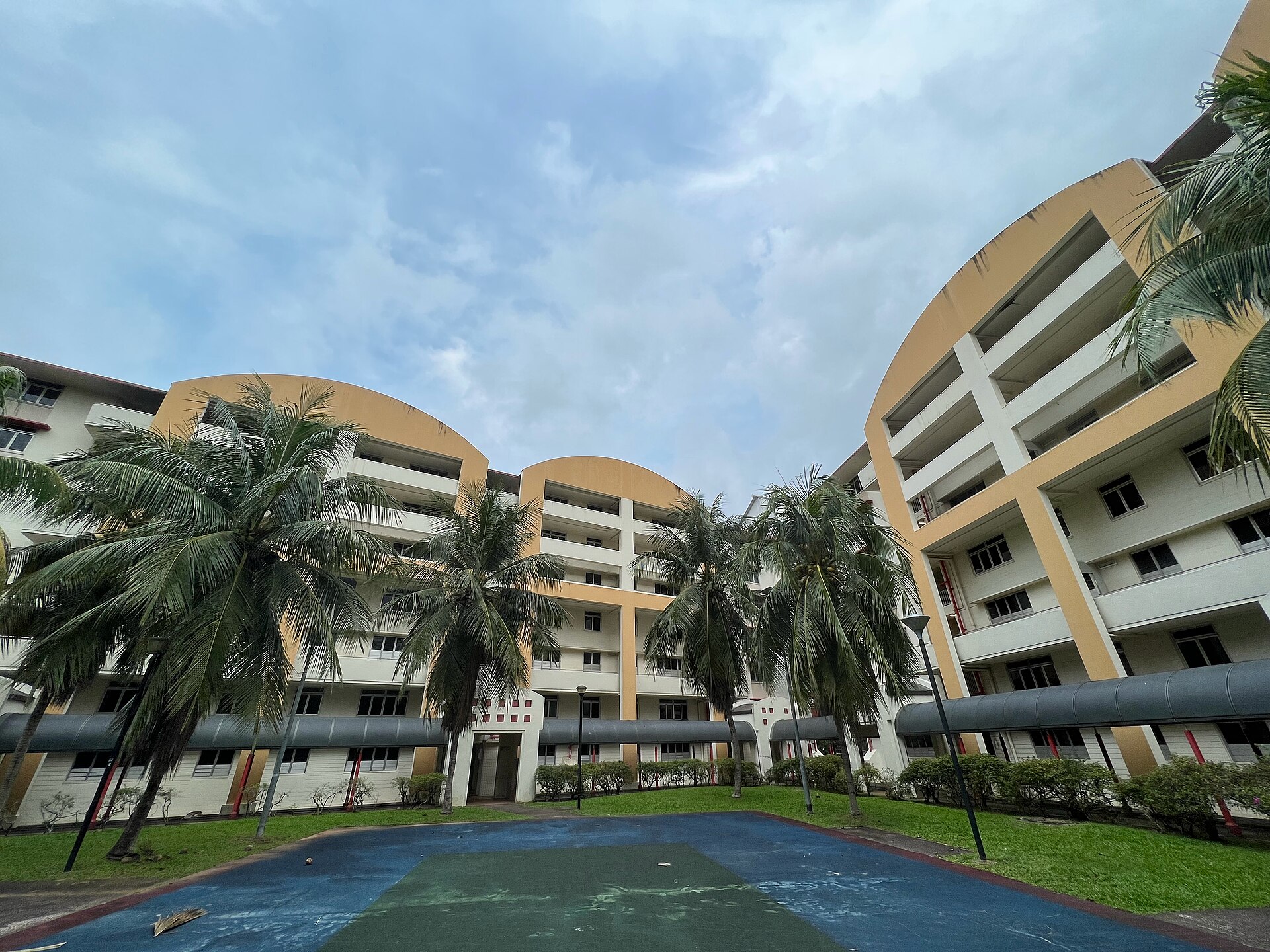
This is an illustrative example on the quarter's median prices and a stated household, not a real family and not advice on whether to sell, buy, keep or rent out. It lays out the figures the position engine computes for each side of the question; the decision is the reader's.
We get asked some version of this question often enough that it is worth laying out in full, with the quarter's actual medians attached. A flat bought six years ago has moved a long way on paper. The private unit the household is looking at has moved too. The interesting part is what happens when you put both sides on the same page, along with the loan, the stamp duty and the monthly instalment.
According to data.gov.sg's HDB resale records, the median 4-room resale price in Bukit Batok was S$343,000 in 2Q2020, from 31 sales, and S$652,888 in 2Q2026, from 145 sales. On the private side, URA Data Service caveats put the median for a 60 to 99 sqm unit in District 23 at S$1,359,000 in 2Q2026, across 44 sales. Our position engine then runs the two against each other: what the sale nets after the loan and costs, what the purchase needs before the loan, and what the month looks like after. Here is what stood out to us.
The flat side is the simpler one, and it nets about S$425,586
Start with the flat, because it funds everything else in this example. The purchase was in 2Q2020 at that quarter's median of S$343,000, with a 75% HDB loan of S$257,250. Six years on, the engine takes 2Q2026's median of S$652,888 as the exit figure. From there it subtracts a loan balance of about S$209,799 and selling costs of about S$17,503 for agent and legal fees. Seller's stamp duty is S$0 at six years held. Net proceeds come to about S$425,586. Every price in that chain is a recorded resale, not a valuation of any particular home.
The headline move on the median is +90.3%. That is a change between two town-and-flat-type medians, not the tracked resale of one unit. The 2Q2026 median rests on 145 sales, which is a reasonable base. The 2Q2020 median rests on 31. Storey, remaining lease and block all sit inside those medians and the table below cannot separate them. So read the 90.3% as a measure of where the middle of the market sat in each quarter, and nothing narrower than that.
| Item | Amount |
|---|---|
| Median price when bought (Q2 2020, 31 sales) | S$343,000 |
| Median price now (Q2 2026, 145 sales) | S$652,888 |
| Change | S$309,888 |
| HDB loan taken (75%) | S$257,250 |
| Loan balance after 6 years | S$209,799 |
| Selling costs (agent, legal) | S$17,503 |
| Seller's stamp duty | S$0 |
| Net proceeds | S$425,586 |
The condo needs S$507,238 before the loan, which is more than the sale brings in
Now the other side. At 2Q2026's median of S$1,359,000, buyer's stamp duty is S$38,960. If the flat is sold first, ABSD is S$0. The maximum loan is S$890,722, at 75% LTV, and in this example it is the mortgage servicing ratio that sets the ceiling rather than TDSR. That leaves S$67,950 in minimum cash and S$400,328 in CPF or cash. Added up by the engine, S$507,238 is needed before the loan is drawn. Against net proceeds of about S$425,586, the table below shows the difference as a negative: a shortfall of S$81,652 to find from somewhere else.
A few limits on that median are worth naming. It covers 44 sales across a size band from 60 to 99 sqm, with a median size of 888 sqft. That is a small count for a whole district and a whole quarter. A different mix of projects or unit sizes in the next quarter can move the median without any single unit changing price. The engine is not picking a project here. It is taking the middle of what was transacted in District 23 and running the financing rules against it.
| Item | Amount |
|---|---|
| Median price (44 sales, median 888 sqft) | S$1,359,000 |
| Buyer's stamp duty | S$38,960 |
| ABSD if bought after selling the flat | S$0 |
| ABSD if bought before selling (20%) | S$271,800 |
| Maximum loan (75%) | S$890,722 |
| Minimum cash | S$67,950 |
| CPF or cash | S$400,328 |
| Needed before the loan | S$507,238 |
| Net proceeds from the flat | S$425,586 |
| Surplus (or shortfall, shown negative) | S$-81,652 |
The order of the two transactions changes the stamp duty by S$271,800
One line in the purchase table deserves its own paragraph, because it is the largest single number in this example. If the condo is bought before the flat is sold, ABSD applies at 20%, which works out to S$271,800 under the rules as recorded. Buy after the sale completes, and the same line reads S$0. The engine does not model remissions, so a household in that position would be looking at the gross figure here rather than anything net of a refund claim.
That difference is a rule, not a price movement. It also sits on versioned data. Our rates are kept in a rules file and checked against IRAS and MAS publications, most recently on 18 September 2026. The ABSD version applied here dates from April 2023, the LTV version from August 2024, and the seller's stamp duty version from July 2025. Rules get revised. Any example like this one carries the date of the rulebook it was run against, which is why we state it.
The monthly instalment is the line that changes most, by S$2,847
The month-to-month picture is where the two paths separate most plainly. On the flat, the instalment is about S$1,167. On the condo, at 3% over 27 years, it is about S$4,014. The engine puts the difference at S$2,847 a month. The table below also runs both at 4%, which is a test rate applied to the loan, not a rate anyone is quoting and not a view on where rates go. At that higher rate the flat line reads S$1,315 and the condo line S$4,500.
Two framing notes. The condo instalment assumes the full S$890,722 loan over a 27-year tenure, which reflects the household's stated age in this example. And the test rate matters because the mortgage servicing ratio is the binding constraint on the loan size here. If any of those inputs change, so does the row. The table is a snapshot of one set of assumptions run against 2Q2026 medians, not a quote from any lender.
| Item | Keep the flat | Buy the condo |
|---|---|---|
| Instalment at the loan rate | S$1,167 | S$4,014 |
| Instalment at the stress rate | S$1,315 | S$4,500 |
Holding the condo for five years costs S$225,172 in the engine's accounting
The purchase is not the end of the figures. Over five years, the engine totals the cost of holding the condo at S$225,172, of which S$125,301 is mortgage interest. The rest covers property tax on an assumed annual value of S$36,720, maintenance at the configured norm, and an exit at the end: 2% commission plus S$3,000 in legal fees, with 9% GST on top. Put against the purchase price, the engine reports that the price would need to rise 16.9% over those five years for the holding cost to be covered.
That 16.9% is an arithmetic breakeven on stated assumptions. It is not a view on District 23 prices and it is not read off any trend. Change the interest rate, the annual value or the holding period, and the figure moves with them.
The third side of the question, renting the flat out instead of selling it, returns nothing in this run. There are no rental figures attached to this example, so we have left that side blank rather than fill it with numbers the engine did not produce.
Plenty here stays open. The medians are 2Q2026 figures and will be restated as later transactions land. The District 23 median rests on 44 sales, so the next quarter's mix could move it without any individual unit repricing. The Bukit Batok median rests on 145 sales, a firmer base, though storey and remaining lease still sit inside it. The S$81,652 line is the difference between a net sale figure and an upfront requirement, both computed from medians, and it shifts whenever either median shifts. What the next quarter's data can settle is narrow: whether these two medians hold, and how many sales sit behind each of them.
A single number in a piece like this never settles anything on its own. The sale figure means one thing next to the upfront requirement, another next to the monthly line, and something else again next to five years of holding cost. We put all of them in one place so the reader can see where they pull against each other. What the figures are worth depends on how they sit alongside the rest of the quarter, and on which assumptions you would change first.
Method: the flat is a 4-room in the town, bought at the median of Q2 2020 with a 75% HDB loan at 2.6% over 25 years, of which 6 years have been paid. Its value today is Q2 2026's median. Selling costs, seller's stamp duty, equity, the rent estimate and the carry are the position engine's under the rules recorded as in force. The condo is a 60 to 99 sqm resale in the nearest district with enough sales within 2.5 km of the town. It is taken at Q2 2026's median. The buyer is a citizen aged 38 with a household income of S$15,000 a month and no other debt. sale at today's indicative mid value after 5 years. Seller pays 2% commission and S$3,000 legal fees, plus 9% GST. Mortgage interest from a standard amortisation schedule at the given rate. An executive condominium within its five-year minimum occupation period, so the 30% mortgage servicing ratio applies as well as TDSR. Loan of S$890,721 (66% of the price), the maximum available. Property tax on an assumed annual value of S$36,720 (85% of market rent). Maintenance at the configured norm. Rates are versioned data in config/rules.yaml, checked against IRAS and MAS publications on 2026-09-18. The newest version applied here took effect 2025-07-04. Rules change with each cooling-measure round. Private figures are from URA Data Service caveats, HDB figures from data.gov.sg resale records, both loaded weekly by this site's ingest. Medians are of the non-excluded transactions in the period named. Sales flagged by the hygiene rules (related-party transfers, bulk deals, outliers) are left out. Every figure is indicative and drawn from recorded transactions, not a formal valuation.