A Bukit Panjang 4-Room At $565,000 Needs $152,800 Upfront — But Stamp Duty Ranges From $11,550 To $350,550
Published 7 Nov 2026
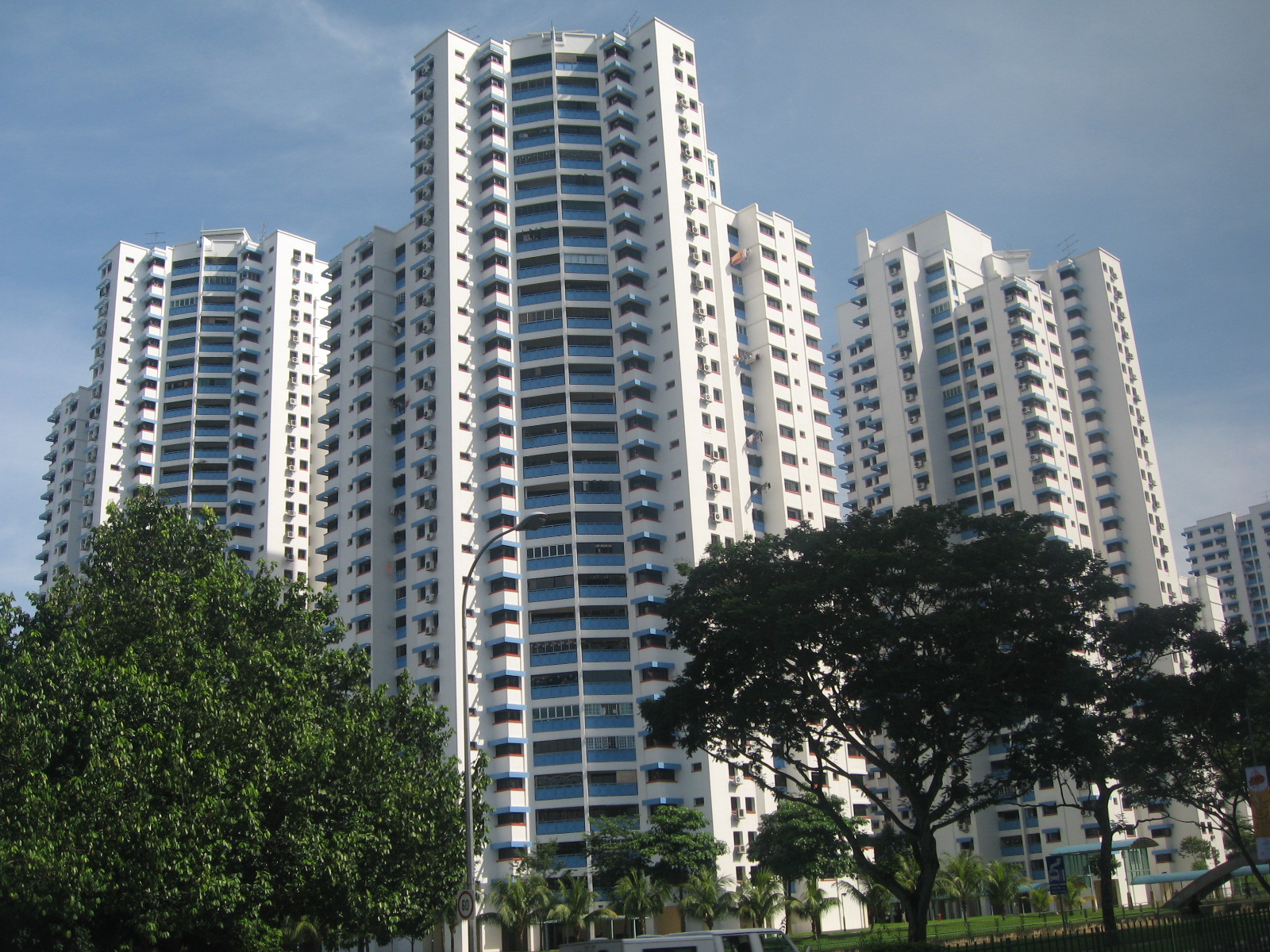
This is an illustrative example built on the quarter's median price and a stated buyer profile. It is not a real purchase, not a valuation of any home, and not advice on whether or how to buy. Every figure in it is computed from recorded transactions and the tax and financing rules recorded as in force.
A median price is easy to quote. What it takes to buy at that price is a longer list: duty, a loan limit, cash and CPF, a monthly instalment and the cost of staying put. We built one worked example to lay that list out for a 4-room flat in Bukit Panjang.
According to data.gov.sg HDB resale records, the median 4-room flat in Bukit Panjang sold for $565,000 in 2Q2026, across 87 sales. A year earlier the median was $589,444, so the figure is -4.2% y-o-y. Our position engine then ran the purchase for a Singapore citizen aged 35, buying a first home to live in. The household income is $10,000 a month, and the loan is an HDB loan over 25 years. The total needed before the loan comes to $152,800. Everything below is indicative and computed from recorded transactions and the rules recorded as in force.
The median rests on 87 sales and sits below where it was a year earlier
We start with the median itself, because every other figure in this example hangs off it. In 2Q2026, 87 4-room flats in Bukit Panjang were resold, and the median price was $565,000. The same quarter a year earlier gave $589,444, which makes the y-o-y change -4.2%. The median per area is $5,833 psm, and the median size is 93 sqm. Those three numbers describe the middle of the quarter's sales from different angles. The table below sets them out together with the count.
What the median does not show is the mix. Storey, remaining lease and block all vary from flat to flat, and this table does not split them out. A lower median can reflect a different set of flats selling as much as a different price for the same flats. The figures here cannot settle which one it is. It is also one quarter, so it points to where the middle sat in 2Q2026 and nothing more.
| Item | Value |
|---|---|
| Sales in the quarter | 87 |
| Median price | S$565,000 |
| Median per area | S$5,833 psm |
| Median size | 93 sqm |
| Median price a year earlier | S$589,444 |
| Change | -4.2% |
A first-time citizen pays only buyer's stamp duty and needs a set amount in CPF or cash before the loan
The example buyer is a Singapore citizen buying a first home to live in. Stamp duty at the median price is $11,550. All of it is buyer's stamp duty. Additional buyer's stamp duty is $0, at a rate of 0%. That is the simplest profile in the rules, and the next section but one shows how quickly it changes for other buyers.
The loan limit is $423,750, or 75.0% of the price, and the loan-to-value limit sets it. That leaves $141,250 payable in CPF or cash. No minimum cash applies. Add stamp duty to the CPF or cash portion and the total before the loan is $152,800. The table below lists each line. It shows what is needed on day one, before any instalment is paid.
| Item | Amount |
|---|---|
| Price (median of the quarter's sales) | S$565,000 |
| Buyer's stamp duty | S$11,550 |
| Additional buyer's stamp duty (0%) | S$0 |
| Stamp duty in total | S$11,550 |
| Maximum loan (75.0% of price) | S$423,750 |
| Minimum cash | S$0 |
| CPF or cash | S$141,250 |
| Total before the loan (stamp duty, cash, CPF or cash) | S$152,800 |
The loan-to-value limit, not income, is what caps the borrowing
The engine checks three ceilings on the loan. The loan-to-value limit allows $423,750. The total debt servicing limit allows $1,159,820. The mortgage servicing limit allows $632,629. The binding limit is the loan-to-value one, since it is the lowest of the three. For this buyer the income-based tests sit well above it. The table below shows all three next to the instalment.
The monthly instalment is $2,009 at 3%. The stress rate for the servicing test is also 3%, so the instalment at the stress rate is the same $2,009. It comes to 20.1% of the stated income. The instalment comes from a standard amortisation schedule over 25 years. It does not include other debts, a change in income or a change in the rate, so it is one reading for one buyer.
| Item | Value |
|---|---|
| Loan type | HDB loan |
| Tenure | 25 years |
| Loan-to-value cap | 75% (HDB loan, 75% LTV over 25 years) |
| Loan allowed by LTV | S$423,750 |
| Loan allowed by TDSR | S$1,159,820 |
| Loan allowed by MSR | S$632,629 |
| Binding limit | the loan-to-value limit |
| Monthly instalment at 3% | S$2,009 |
| Monthly instalment at the 3% stress rate | S$2,009 |
| Instalment as a share of the stated income | 20.1% |
Five years in the flat adds up to a cost of $94,259, and interest is the largest line
We also totalled what it costs to hold the flat for five years. Costs going in are $14,820. Interest over the five years is $59,148, the largest line in the table. Property tax and maintenance come to $4,704. Costs coming out are $15,587. The total cost of the hold is $94,259. The table below lists each piece so you can see where the money goes.
The engine makes a few assumptions to get there. It models a sale at today's indicative mid value after five years. The seller pays 2% commission and $3,000 in legal fees, plus 9% GST. Interest follows a standard schedule at 3%. Property tax uses an assumed annual value of $13,020, which is 35% of market rent. On those terms, the price would need to rise 17.1% over the five years to cover the total. That figure measures the cost of holding. It is not the result of any actual sale.
| Item | Amount |
|---|---|
| Costs going in (stamp duty, fees) | S$14,820 |
| Interest over five years | S$59,148 |
| Property tax and maintenance over five years | S$4,704 |
| Costs coming out | S$15,587 |
| Total cost of the hold | S$94,259 |
The same flat carries a very different stamp duty depending on who buys it
The last table keeps the price fixed and changes only the buyer. Buyer's stamp duty is $11,550 in every row. The difference sits in the additional duty. A Singapore citizen buying a second home pays 20%, or $113,000, for $124,550 in total. A permanent resident buying a first home pays 5%, or $28,250, for $39,800 in total. A foreigner pays 60%, or $339,000, for $350,550 in total.
The loan-to-value cap moves in one row only. It is 75.0% for the citizen's first home, the permanent resident and the foreigner. It is 45.0% for the citizen's second home. The table shows the cap and not the resulting loan, and it does not rerun the instalment or the hold cost for each profile. Read it as a comparison of duty at one price, using the rules recorded as in force.
| Buyer | BSD | ABSD rate (%) | ABSD | Total | LTV cap (%) |
|---|---|---|---|---|---|
| Singapore citizen, first home | S$11,550 | 0.0 | S$0 | S$11,550 | 75.0 |
| Singapore citizen, second home | S$11,550 | 20.0 | S$113,000 | S$124,550 | 45.0 |
| Permanent resident, first home | S$11,550 | 5.0 | S$28,250 | S$39,800 | 75.0 |
| Foreigner | S$11,550 | 60.0 | S$339,000 | S$350,550 | 75.0 |
This example leaves several things open. It rests on one quarter's median, one buyer profile and one rate of 3%. The median itself carries a mix of flats that the data does not separate. In the next quarter's data, we will look at whether the 3Q2026 median and the number of sales stay close to these levels. The stamp duty and financing rules are versioned in our engine, so any change to them would flow into a new run of the same example.
A single headline figure, whether a median or a duty bill, rarely tells you much by itself. What gives it meaning is how it fits with the other figures around it: the count behind the median, the loan limit, the instalment and the cost of holding. We would rather lay those pieces side by side and let the direction of the market show over several quarters.
Method: an illustrative example, not a real purchase. The price is the median of the quarter's recorded sales named. The buyer is a Singapore citizen first-time owner-occupier aged 35. The stated household income is S$10,000 a month, with no other debt. The loan is the maximum, over 25 years at 3%. Stamp duty, loan limits, instalments and the five-year hold cost are computed by this site's position engine under the rules recorded as in force for the quarter. The rule versions used are bsd 2023-02-15, absd 2023-04-27, ssd 2025-07-04, ltv 2024-08-20, tdsr 2022-09-30, property_tax 2025-01-01, costs 2020-01-01. Further assumptions: sale at today's indicative mid value after 5 years. Seller pays 2% commission and S$3,000 legal fees, plus 9% GST. Mortgage interest from a standard amortisation schedule at the given rate. Loan of S$423,750 (75% of the price), the maximum available. Property tax on an assumed annual value of S$13,020 (35% of market rent). Maintenance at the configured norm. Rates are versioned data in config/rules.yaml, checked against IRAS and MAS publications on 2026-09-18. The newest version applied here took effect 2025-07-04. Rules change with each cooling-measure round. Private figures are from URA Data Service caveats, HDB figures from data.gov.sg resale records, both loaded weekly by this site's ingest. Medians are of the non-excluded transactions in the period named. Sales flagged by the hygiene rules (related-party transfers, bulk deals, outliers) are left out. Every figure is indicative and drawn from recorded transactions, not a formal valuation.